“It was the best of times, it was the worst of times.” Charles Dickens wrote those words 167 years ago.
There was nothing mixed about the outcome of the midterms. But we enter 2027 with both halves of Dickens’ line in play. We’ve just seen a shift in the political landscape more positive than nonprofit audiences dared hope for. But there are also still 789 days left with a dangerous, out-of-control Donald Trump in the White House.
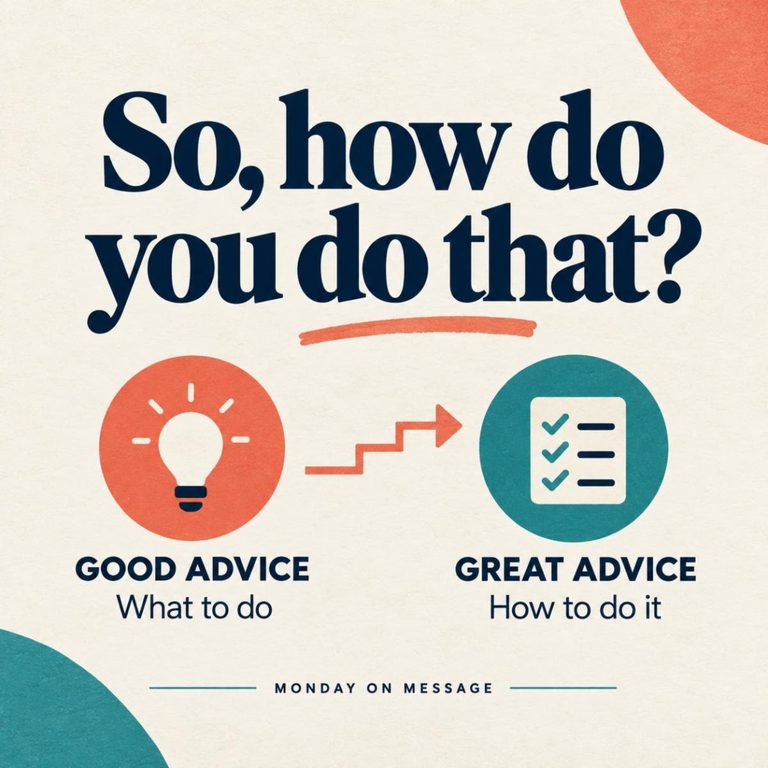
Relief. Worry. Hope. Fear. Energy. Exhaustion. Your audiences will cycle through all of them. So, how do we guide our audiences through the emotional rollercoaster that lies ahead?
It’s a question most directly impacting advocacy and issue-based groups. But, as has been true throughout Trump 2.0, charitable groups and causes will not be untouched by the shifting political and cultural dynamics. Trump has the ability to soak up attention and his actions reach into virtually every area of American life (cost of living, pace and reach of medical research, independence of universities, US support for global humanitarian efforts, etc.).
So, in 2027, smart apolitical nonprofits will keep a keen eye on the emotional tenor of the times and how that influences the ways in which their audiences receive and process their messaging.
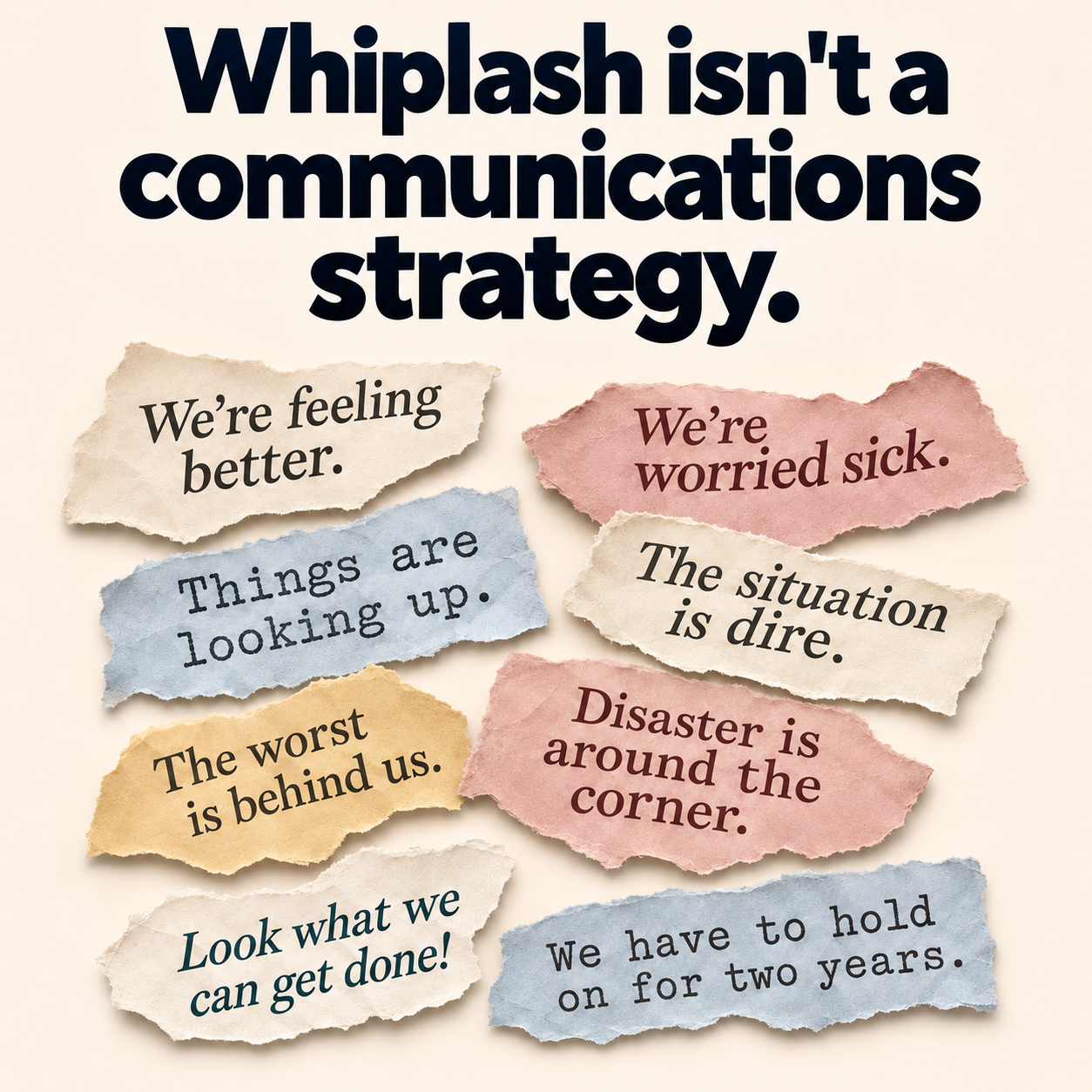
Whiplash Isn’t A Communications Strategy
Bouncing all over the place won’t work. Groups that show up one week promoting new opportunities for progress and the next warning that “everything is at risk” will confuse their audiences and shake people’s faith in the group’s grasp of the situation.
Groups that name the tension plainly and demonstrate the ability to navigate a complex climate will feel more credible and more worthy of audience engagement.

Will there be moments in the months ahead where that structure is appropriate? Sure. Tom Standage, editor of The World Ahead, The Economist annual forecast put it this way, Trump “won’t be a lame duck – more like a destructive Angry Bird.”
But should that anti-Trump formula be our go-to 2027 template? No way. Anti-Trump forces have a little more wind at our back now and we have to act like it. In moments of transition and tumult like the one we’re in, the worst thing you can do is sound exactly like you did before everything started to shift.
Here’s the rhythm that should be far more common than the pre-November hanging-on-for-dear-life tone.
- The opening created in November is real.
- The still-present threat is real.
- And what we do now can widen the first
and weaken the second.
Stories featuring those three beats won’t force you to make false choices between hope today and peril tomorrow. They place them side by side where they belong.
There’s a storytelling method that fits really well with the three beats I just laid out.
Screenwriter Aaron Sorkin advocates for an Intention/Obstacle/Resolution method of storytelling. I have adapted it for nonprofits by making the third step Intervention – the moment the reader steps in to change the arc of the story.
A great story, Sorkin tells us, begins with someone aiming to achieve something meaningful. The tension arrives when a significant obstacle stands in the way. And in the nonprofit context, the story resolves with an act of intervention that aims to overcome the obstacle.
In the current context, this approach has several advantages. It opens the conversation with an affirmative intention, not another chapter in an endless stream of danger and threats. And it emphasizes your reader’s agency – their ability to weigh in and shape the arc of the story.
CONCLUSION:
A Real Win and An Unfinished Fight
As 2027 approaches, helping audiences navigate the emotional ups and downs bound to dominate the year is the signature messaging challenge facing advocacy groups and, to a lesser but still meaningful extent, charitable ones.
The bottom line: November gave us reason to hope. But it didn’t give us permission to relax.
The smartest actors will avoid the whiplash of appearing hopeful in one moment, alarmed in the next. They’ll acknowledge that hope and opportunity are living side by side with risk and danger. And they will tell a compelling, coherent story about how they – and, by extension, their audience – can intervene in ways that magnify opportunity and lessen risk.