
There are times when an extraordinary event dominates the national dialogue overwhelming other storylines and focal points. The ICE killing of Alex Pretti just 17 days after that of Renee Nicole Good has thrown our country into one of those moments.
And today, progressive advocacy groups and Democratic leaders/candidates are grappling with the same question:
What do we say to our audiences in a moment like this?
Here are a few thoughts on the topic:
It all starts with understanding your audience’s mixed emotions. It’s always important to understand what emotions your audience is bringing to the table – never more so than at times like this.I would point to three dominant emotions right now.
In the days ahead, the strongest messages will speak convincingly to this mix of emotions.
In moments like this, people are easily motivated and just as easily disappointed.
The violent ICE assault on immigrant families, the rule of law, freedom of expression and the right to dissent has become both a crisis in itself and a stand-in for the whole range of Trump administration outrages that fit the same mold. Show people a path forward – a way to fight back against that assault and they will be all in.
But we’re in a zero tolerance environment for mumbling and half measures. The message Democratic leaders must take to heart as they once again promise to push back by opposing ICE funding in the Senate this week: You only get to raise our hopes and dash our expectations so many times.
While people give much more leeway to the progressive groups taking on Trump, those groups can also expect raised expectations for concrete plans and smart strategies, not just repetitive anti-Trump rhetoric.
Recent events have made the elections seem both more important and farther away.
With ICE shooting people in Minneapolis every other week, the 280 days to the November 3rd election seem pretty far away. At the same time, the escalating ICE violence, the claims that federal agents who murder people have “absolute immunity,” the efforts to silence dissent, and the Trump administration’s relentless torrent of lies about ICE and its activities all raise the electoral stakes.
For the time being, pointing to the elections as a big moment of accountability makes sense. But sounding like you’re sitting on your hands playing a waiting game until that moment arrives is unacceptable.
At least momentarily, focus on the out-of-control ICE operations is drowning out other issues.
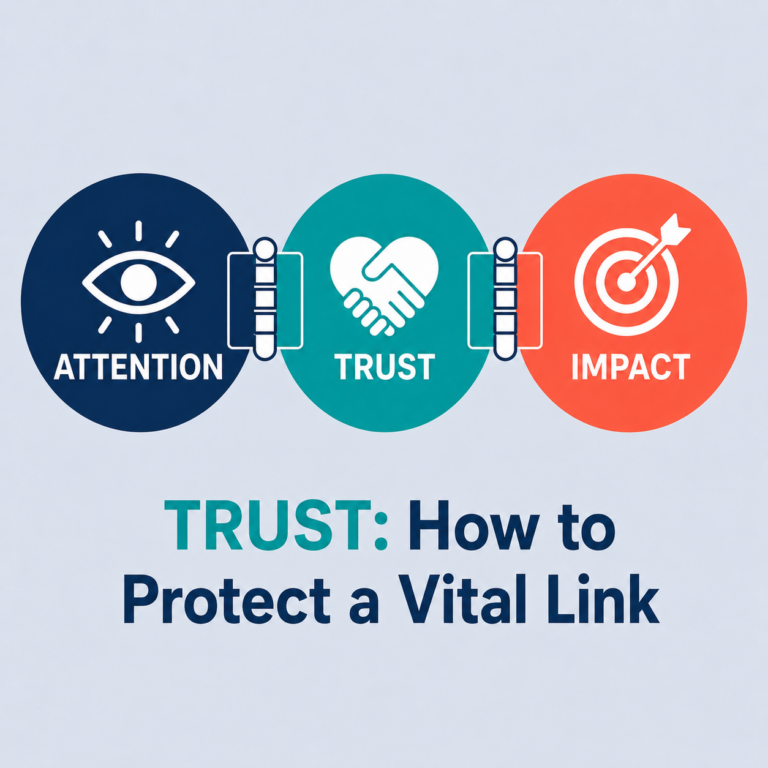
In the attention economy, there is always tension between where you want to direct peoples’ focus and where their eyes and ears are being drawn by other influences. Right now, it is very difficult to get peoples’ attention on anything other than the ICE controversy.
Ironically, before the killing of Alex Pettri elevated the ICE debate to a still higher level, Democrats were locked in a “where should we focus” debate. One side argues for concentrating 2026 messaging on reining in the Trump administration’s drive towards authoritarianism – its attacks on the Constitution, the rule of law, and individual freedoms.
The other side argues for a central focus on “kitchen table” issues – rising health care premiums, housing costs and grocery bills. Their argument is that these are the issues that swing working class voters care about and they are the voters who will decide November’s elections.
Whatever its merits, the argument to focus less on the Trump administration’s overreach is moot for now. That’s where public attention will be centered for some period of time.
When your audience’s attention is as intensely pointed in one direction as it is right now, the best short-term course is to follow their lead. Arguing against it not only won’t work, it will risk alienating your supporters.
Eventually, the opportunity will arise not to move away from the dominating topic, but to also pivot in other directions. But trying to do that too early could be costly.
A Few Notes for Apolitical Nonprofits
We’ve talked about groups and candidates wrapped up in the extraordinary politics of the moment. For groups well detached from the political world (a shrinking pool these days), the right course is pretty straightforward:

People tend to remember what the causes and candidates they care about say and do in high-profile moments like this. So, it’s important to be intentional, strategic and nimble in your communications in the days and weeks ahead.