For weeks, the out-of-control, lawless ICE operation in Minneapolis, the killing of Renee Good and Alex Pretti, and the unyielding protest movement have dominated the news.
With the Trump administration finally announcing the end of “Operation MetroSurge,” let’s look at a critical dynamic at work in the unfolding of this story.
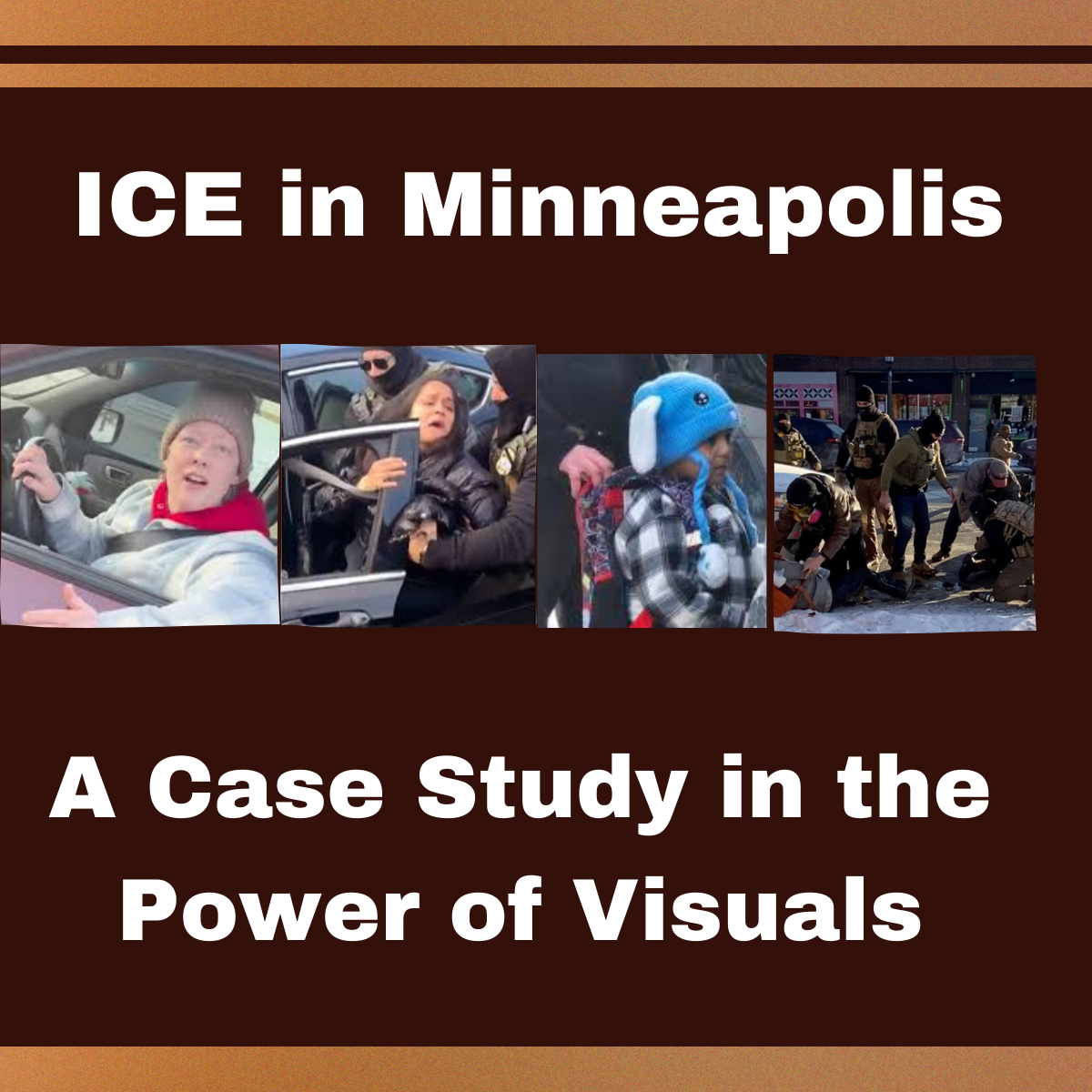
The events of the past month offer a compelling case study in the power of visual elements to either shape or undermine a narrative and help determine the outcome of events.
Four Key Visual Moments
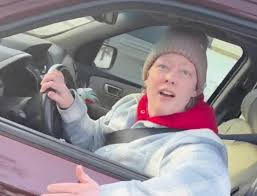
The Shooting of Renee Good The video of Renee Good
being shot to death gripped the nation. In multiple surveys, 7 out of 10 people reported having seen the video.But perhaps even more impactful was the second video that surfaced showing Renee Good calmly telling a federal agent “I’m not mad at you.” It allowed us to put a face on the murder victim and to feel her humanity.
The shooting of Alex Pretti: Just 17 days after
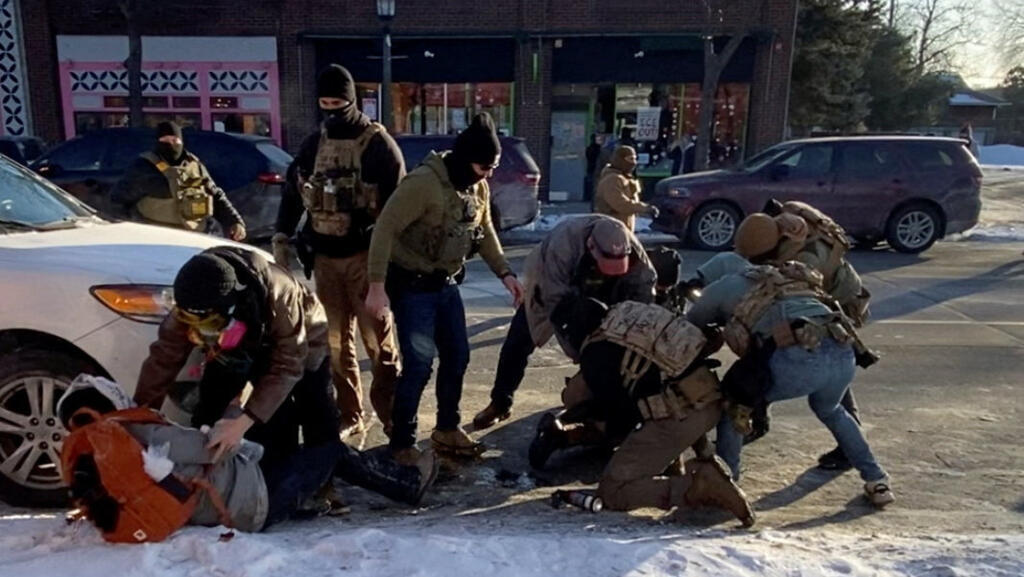
the Renee Good shooting, federal agents wrestled Alex Pretti to the ground and killed him. Compelling videos put the lie to Stephen Miller’s attempt to brand Pretti as a “would-be assassin” who “tried to murder federal agents.”
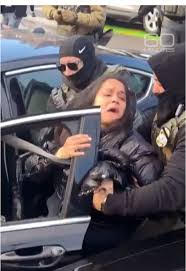
The Aliya Rahman Incident: Millions of people on social media saw undeniable evidence of ICE’s cruelty when a video captured a disabled person on her way to a medical appointment being brutally dragged from her car. Agents smashed the passenger window of Aliya Rahman’s car, cut her seatbelt, and carried her away. The cruelty continued in detention where Rahman blacked out and was denied medical care.
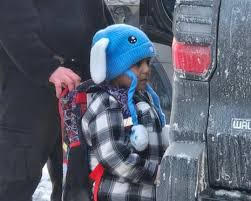
Liam’s Blue Bunny Hat: One of the most moving images of the siege of Minneapolis was the picture of 5-year-old Liam Ramos. As he arrived home from pre-school, Liam was used as bait by ICE agents to knock on his door and ask to be let in. He and his father were held in a Texas detention center until a judge ordered their release.
There is no doubt that images like these played a decisive role in how much attention the ICE siege of Minneapolis received.
The compelling images not only attracted attention, they also elevated peoples’ emotional reaction in ways that written accounts alone could never match. But most significantly, the images led to ICE and the Trump administration losing their ability to control the narrative.
The gap between the false storyline they tried to advance and what we could see with our own eyes was simply too wide.
Invoking The Power of Images
As the ICE in Minneapolis example illustrates, a focus on the visual is an essential element in persuasive messaging. Commercial copywriter Eddie Shleyner puts it succinctly: “Our brains actually think in images, not words.”
Citing Eugene Schwartz, a copywriting legend, he notes “It is easier for your brain to decode a picture into words than to encode words into a picture. Therefore, communicating in images will increase the clarity of your message. It will also make your point more memorable.”
Beyond the critical fact that our brains are wired for the visual, there are lots of reasons why focusing on the visual matters. It’s a key to attracting attention and images evoke emotions like empathy faster than text.
People also retain memory of images longer than text. And visual content increases engagement across social media platforms. For one thing, visual content is decidedly more sharable than text.
In behavioral science terms, visuals increase cognitive fluency – the ability of the human brain to process information.
And remember, thinking visually is as important for writers as it is for designers. Novelist Walter Mosley reminds us that writing comes alive in the reader’s mind when descriptive and vivid language are artfully combined. “Vivid language helps us become a part of the story, brings us into the story. . . (It) helps you to really experience what’s happening.”


As the ICE examples we began with illustrate, visuals can play a defining role in attracting attention and either advancing or undermining a narrative. As you tell your story, pay close attention not only to the words you use, but to the images you evoke and the interplay between the two.